
My Monster Album - Collect & T
Tapps GamesEducational
4.442.00 Reviews
- Version
- 1.0.17
- Installs
- 50.00K
- Age Rating
- Everyone
Screenshots
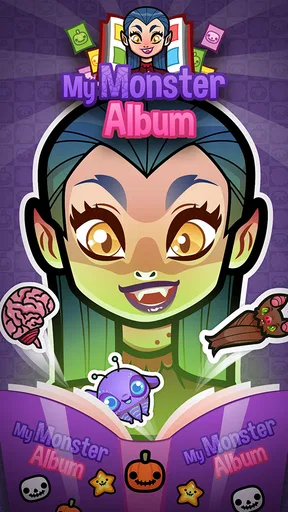
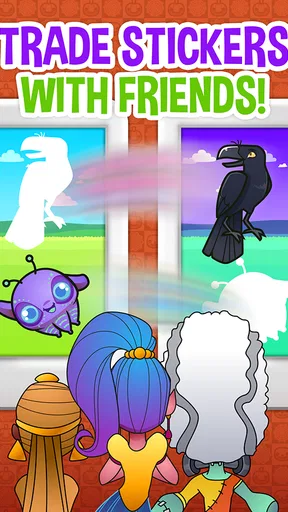
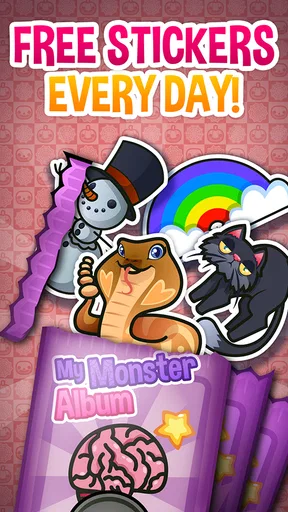
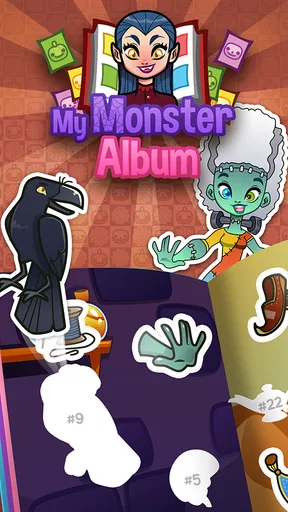
Our Review of My Monster Album - Collect & T
 Analysis by Appyee
I spent time with My Monster Album as a light educational collecting game, and my first impression was that its appeal comes from a simple idea: build a personal album around villain-themed stickers, then keep working toward a fuller collection. That makes it easy to understand within a minute, but the longer-term experience depends on whether you enjoy gradual collecting more than fast, skill-based gameplay.
Created by Tapps Games, it is free to download and aimed at everyone. The game has been available since November 22, 2016, and its current version is 1.0.17. It runs on devices using Android 8.0 or later. Its average score is 4.4 from more than six hundred ratings, with dozens of written reviews, and it has passed fifty thousand installs. Those figures suggest a modest but established audience rather than a huge mainstream hit.
How the album experience works in everyday play
The central attraction is the feeling of filling empty spaces. Instead of asking me to master complicated controls, the game focuses my attention on which stickers I have, which ones are still missing, and how the collection might grow. That makes it approachable for younger players and for anyone who wants a relaxed game that can be checked briefly rather than played in long sessions.
I found the album format especially suitable for short breaks. A child could open it after school, look over the current collection, and decide what to pursue next. An adult could use it as a small distraction while waiting for an appointment. It is not the kind of title I would choose when I want a deep story, demanding puzzles, or a competitive action loop. Its purpose is closer to digital collecting with a playful educational tone.
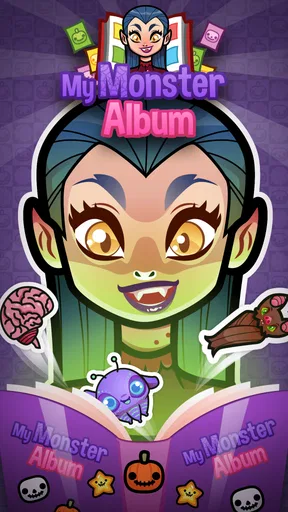
The villain theme gives the collection a clearer identity than a plain set of unrelated cards. Each new sticker feels like part of the same world, which matters because collecting games can become forgettable when the items lack a recognizable theme. Here, the album concept gives the player a reason to care about the next addition, even when the basic action is straightforward.
One useful way to approach it is to treat the album as a small personal project rather than a race. I would look through the pages first, notice which sections are incomplete, and set a modest goal for the next session. This avoids turning every opening into a demand to make immediate progress. For younger users, that habit can also make the game feel more like organizing and observing a collection than simply tapping through screens.
Why the educational label fits, and where it has limits
The educational category should be understood in a gentle sense. The game encourages attention, recognition, sorting, and collection awareness through its sticker-album structure. Those are useful habits, but I would not present it as a replacement for a structured learning app, a classroom exercise, or a game built around detailed lessons.
That distinction is important for parents. If the goal is reading practice, arithmetic, language study, or a measurable curriculum, a dedicated learning app will be a better choice. If the goal is a harmless themed activity that lets a child focus on completing and organizing a set, this game makes more sense. I see its educational value as incidental and activity-based rather than instructional.
For adults, the same limitation can be a strength. I do not have to concentrate on a lesson or remember a complex ruleset. The album gives me a low-pressure reason to return, while the villain theme keeps the presentation from feeling like a worksheet. The trade-off is that the experience may feel too shallow for players who expect each session to teach something substantial.
Collecting, trading, and the question of progress
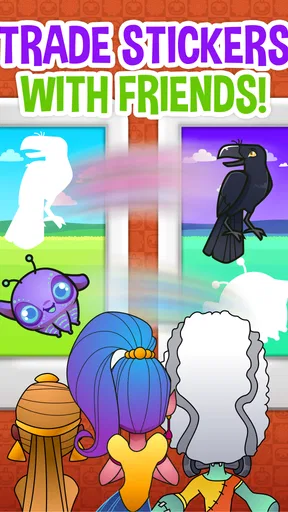
The store summary presents the game as a place to collect and trade stickers with friends. That social angle is important because collecting becomes more interesting when duplicates or unwanted items can have a purpose. The idea of exchanging stickers also gives players a reason to discuss their albums instead of treating the game as a completely solitary activity.
In practice, I would recommend deciding early how you want to use that feature. If you have friends who also play, trading can turn a frustrating missing item into a conversation and a shared goal. If you are playing alone, the experience rests more heavily on the satisfaction of slowly improving your own album. That difference may determine whether the game feels pleasantly calm or repetitive.
A practical routine is to check the album before spending anything. I would identify duplicates, note which parts of the collection are closest to completion, and only then decide whether a new attempt is worthwhile. This small pause helps prevent the common collecting-game mistake of chasing every possible item without knowing what would actually improve the album.
Another useful approach is to separate completion from ownership. A player may enjoy seeing a page become more complete even if the collection is not perfect. That mindset makes the game less demanding and reduces the temptation to treat every missing sticker as a problem that must be solved immediately.
Free access and spending pressure
The game is free, but it includes in-app purchases ranging from $1.99 to $14.99 per item. That is the key financial context I would want a parent or careful player to understand before installing it. The free entry point makes it easy to try, while the purchase range means the collecting experience can involve optional spending.
I would not assume that buying is necessary, and I would not promise that free progress will always feel equally fast. The available facts establish the purchase prices, but they do not establish exactly how frequently a player encounters purchase prompts, how much content can be reached without paying, or whether purchases affect the speed of completing the album. Those details should be checked directly in the current game before handing it to a child.
My practical advice is to set a spending rule before the first session. For a child, that could mean no purchases without asking. For an adult, it could mean trying the free experience for several sessions before deciding whether the collection is worth paying to expand. This is more useful than making a quick decision after one exciting discovery, when the appeal of completing a page can feel stronger than it does later.
The price range also changes how I judge the game. As a free casual title, it can be enjoyable when I accept a slower, incomplete collection. As a paid collecting hobby, I would expect more control over progress and a clearer sense that spending adds meaningful value. I would therefore keep purchases optional in my own use and avoid treating them as part of the basic recommendation.
Fairness when players compare albums
Trading introduces a fairness question that does not exist in exactly the same way in a purely solo album. If one player has access to more stickers through spending and another relies on free progress, their collections may not develop at the same pace. That does not automatically make the game unfair, but it does mean that comparisons between friends should focus on enjoyment rather than who completes an album first.
I would be comfortable using the trading idea as a social conversation starter, especially among children who already know each other. I would be more cautious about presenting it as a serious competition. Without confirmed details about the rules governing trades or the effect of purchases on collection speed, it is not possible to judge whether paying players receive a competitive advantage in every situation.
The fairest household rule is simple: treat stickers as something to share for fun, not as a reason to pressure another player. A child who has duplicates should not feel obligated to give them away, and a child missing a sticker should not feel that buying something is the only way to keep up. The game works best when the album remains a personal activity with optional social interaction.
This is also where it differs from many familiar alternatives. A puzzle game usually measures success through solving a challenge, while a competitive multiplayer game emphasizes wins, rankings, or direct performance. My Monster Album is more relaxed and collection-driven. Its fairness depends less on reflexes and more on how players handle missing items, trading, and optional spending.
What may frustrate returning players
The same simplicity that makes the game accessible can limit its staying power. If I am not interested in completing themed sets, there may be little reason to return after the novelty fades. Players who want strategic decisions, changing levels, or a strong narrative should look elsewhere. This is a focused album experience, not a broad educational playground.
Repetition is another possible friction point. Collecting naturally involves seeing progress in small pieces, and that can be satisfying at first. Over time, however, a player may feel that the next goal is too similar to the previous one, particularly if the album becomes difficult to complete. I would recommend it more confidently to people who enjoy gradual progress than to anyone who needs constant new mechanics.
The social promise may also depend on circumstances outside the game itself. Trading is more appealing when friends or family members are willing to participate. Without that circle, the feature has less practical value, and the player must rely on the album alone. I would not install it specifically for trading unless I already knew that other people around me were using it too.
Device compatibility is straightforward for newer phones and tablets because the minimum requirement is Android 8.0. Anyone using an older Android device should check compatibility before planning around it. For supported devices, the game is positioned as an accessible casual title rather than a demanding technical showcase, so I would choose it for its theme and format, not for advanced graphics or performance.
Who should try it, and who should skip it
I think it is a good fit for a child or adult who enjoys sticker albums, themed collections, and short sessions. It can also work for parents looking for an easy-to-understand game with an everyone age rating, provided they establish clear rules around optional purchases. The villain theme may appeal to players who like playful monster characters more than realistic sports, racing, or battle settings.
I would skip it if I wanted a serious educational curriculum. I would also skip it if I disliked incomplete collections, waiting for new additions, or the possibility that progress might feel connected to optional spending. Players looking for deep strategy, a substantial story, or a demanding skill challenge will probably get more from another category.
Compared with a physical sticker album, the digital format is more convenient because it can be carried on a phone and checked in short moments. The physical alternative may feel more tangible and easier to understand for children who enjoy handling cards or stickers. Compared with a standard educational game, this title is more playful and less structured, but it also offers less direct teaching.
My strongest use case is a shared but low-pressure family routine. A parent could let a child review the album for a few minutes, talk about which characters are missing, and use trading as a lesson in sharing and choice. I would keep the conversation focused on fun and planning rather than completion at any cost.
What I would check before making it a regular game
Before allowing regular play, I would open the purchase area with the child present and explain that the game is free to start but contains optional items costing between $1.99 and $14.99. I would also look at how the current version presents progress and social actions, because those details matter more to a family than the basic premise.
I would then play several short sessions without spending. That reveals whether the free loop is enjoyable by itself or whether the game immediately feels like a preview of a paid collection. It also helps answer a practical question: does the player enjoy looking after an album, or are they only excited by the possibility of getting the next rare-looking item?
For a solo player, I would pay attention to whether incomplete pages still feel rewarding. For a group of friends, I would check whether trading is easy to understand and whether everyone can participate comfortably. These are better tests than judging the game from its theme alone, because the same album can feel welcoming to one player and frustrating to another.
I would also keep expectations realistic about the rating. A 4.4 average from over six hundred ratings is encouraging, but it does not guarantee that every player will enjoy the collecting pace or the purchase structure. Ratings are useful as a starting signal; my own decision would depend on whether the free experience matches the player’s tolerance for repetition and incomplete sets.
My final view on trust and value
After reviewing it as a free educational collecting game, I see a narrow but understandable appeal. The album format is easy to grasp, the villain theme gives the collection personality, and the everyone rating makes it approachable for a broad audience. Tapps Games has built something that can fit into short breaks without demanding the attention of a full adventure or lesson.
My recommendation comes with a clear condition: keep spending optional and keep competition friendly. The confirmed purchase range means families should discuss boundaries before play, while the available product details do not provide enough basis to promise a particular free progression speed or a specific balance between paid and unpaid collecting. I would rather be careful about that than oversell the experience.
The best reason to try it is the album itself, not the promise of endless gameplay. If you like watching a themed collection grow and can accept that some stickers may remain missing, the free version is worth exploring. If you need substantial educational instruction, transparent competitive balance, or a game that constantly introduces new challenges, I would choose a different option.
For me, My Monster Album works as a small, friendly collecting activity. I would recommend trying it without spending, setting a simple household rule for purchases, and judging the experience by how satisfying the album feels over several sessions. That approach lets the game’s strongest idea—building a personal monster-themed collection—stand on its own.
Verdict
Strengths of My Monster Album - Collect & T
- Simple interface makes browsing and managing your monster collection easy.
- Collection goals give casual players a clear reason to keep checking in.
- Short sessions fit well into quick breaks throughout the day.
- The colorful monster designs are appealing to younger and casual players.
- Progress feels rewarding as new entries gradually fill the album.
Limitations of My Monster Album - Collect & T
- Some content may take considerable time to unlock without regular play.
- The gameplay can feel repetitive once the initial collecting excitement fades.
- Limited strategic depth may not satisfy players seeking complex mechanics.
- Frequent notifications could become distracting if not adjusted in settings.
- Performance may vary on older devices, especially with larger collections.
Other Releases by Tapps Games
View All
Do Not Disturb Funny Prankster
Educational4.6

Vlogger Go Viral: Tuber Life
Strategy4.5
Similar Picks in This Category
View All
Little Panda Policeman
BabyBus4.0

Monster Trucks Game for Kids 2
Raz Games4.1

Little Panda's Chinese Recipes
BabyBus4.4

Little Panda's Restaurant
BabyBus4.4

Little Panda's Ice Cream Games
BabyBus4.3

Baby Panda Care
BabyBus3.8
Frequently Asked Questions
What is My Monster Album - Collect & T?
My Monster Album - Collect & T is a collection-focused mobile game in which players discover, obtain, and organize a variety of monster characters. The main appeal is completing the album, checking which creatures are still missing, and gradually building a more complete collection. It is designed for casual play, with short sessions that are easy to enjoy whenever you have a few free minutes.
How do you collect monsters in My Monster Album?
Monster collecting generally involves progressing through the available game activities, opening or earning collection opportunities, and checking the album for newly discovered characters. Depending on the current version, rewards may be connected to gameplay progress, daily participation, events, or optional purchases. Players should explore the menus carefully because some collection features and limited-time opportunities may not be immediately visible.
Is My Monster Album - Collect & T free to download?
The application can be downloaded without an initial purchase, but it may include optional in-app purchases. These purchases can provide extra resources, additional collection chances, or other conveniences, depending on the game’s current content. You can usually play without spending money, although completing the album quickly may require patience. Always review the store listing and payment settings before downloading.
Does the game require an internet connection?
An internet connection may be needed for important functions such as downloading game data, synchronizing progress, receiving updates, displaying advertisements, accessing events, or processing optional purchases. Some basic parts of the experience may work temporarily offline, but this can vary by device and version. For the most reliable performance, launch the game while connected to a stable Wi-Fi or mobile network.
Is My Monster Album suitable for children?
The game’s collecting concept can be appealing to younger players, but parents should still review its age rating, advertising, and in-app purchase options before allowing regular use. If the game includes random rewards, online features, or promotional offers, children may need supervision. Device-level parental controls and purchase restrictions are recommended to prevent accidental spending and limit access to unsuitable content.
Play our best games!


